
WHAT IS AI-NATIVE SDLC AND WHY NOW?
A different way to build software,
not just a faster way to write code.
AI SDLC brings AI into more of the development lifecycle: turning business needs into specifications, generating and refining code, testing behavior, and iterating on results. It represents an evolution of spec-driven development, expanding AI's role across the entire process.
Anthropic's AI-Native SDLC Playbook has brought attention to this broader shift. The opportunity goes beyond developer productivity, requiring organizations to rethink how software is developed, how teams collaborate, and how quality is validated.
AI-native SDLC has the potential to reshape how software teams work, much like Agile did. Beyond adopting new tools, it requires a shift in how teams collaborate, make decisions, and deliver software.

WHERE AI-NATIVE DEVELOPMENT BREAKS IN THE ENTERPRISE
Writing software faster exposes
the bottlenecks that code
generation cannot solve.
Generating code faster doesn't necessarily mean delivering software faster. As development accelerates, bottlenecks shift to defining what to build, capturing undocumented business rules and exceptions, and integrating with existing systems. Without that context, teams risk building the wrong thing faster.
Validating software against real business workflows is equally critical. Teams need realistic evaluation scenarios and clear success criteria while navigating legacy integrations, security, governance, and deployment requirements. Making AI-native development work in the enterprise means rethinking how business and engineering teams plan, validate, and deliver software together.
HOW MARVIK HELPS
From faster development to software that works in the business
Marvik helps organizations identify where AI-native development can improve delivery, then connects business process knowledge, engineering practices, evaluation, and enterprise requirements to make those improvements practical.

Turn business understanding into impact
Our forward-deployed engineers (FDEs) work closely with business and technical teams to understand how the business operates, uncovering the processes, rules, decisions, and exceptions that often go undocumented. This helps teams identify bottlenecks, define what needs to be built to drive business impact, and translate business needs into actionable development requirements.
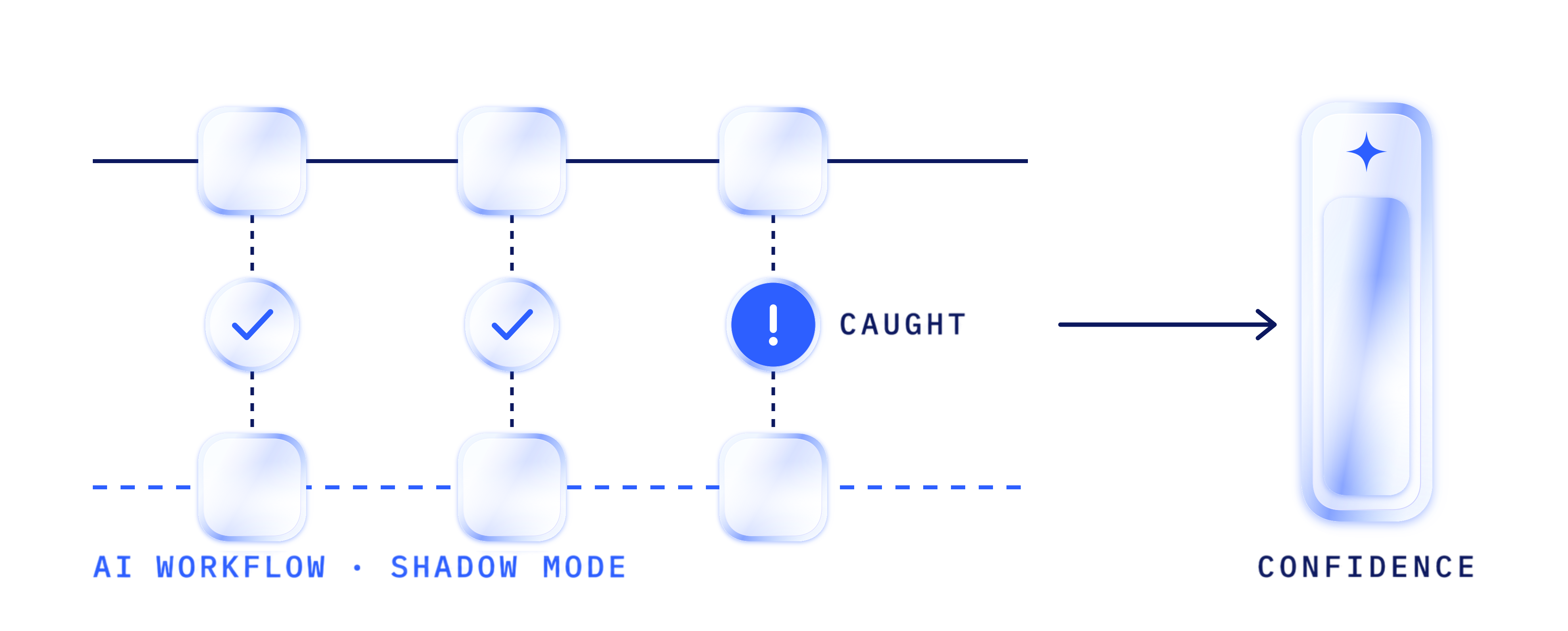
Build confidence before production
We help teams establish evaluation and validation practices for AI-powered workflows, using approaches such as shadow mode when appropriate. This allows teams to identify issues earlier, iterate faster, and build confidence before production.
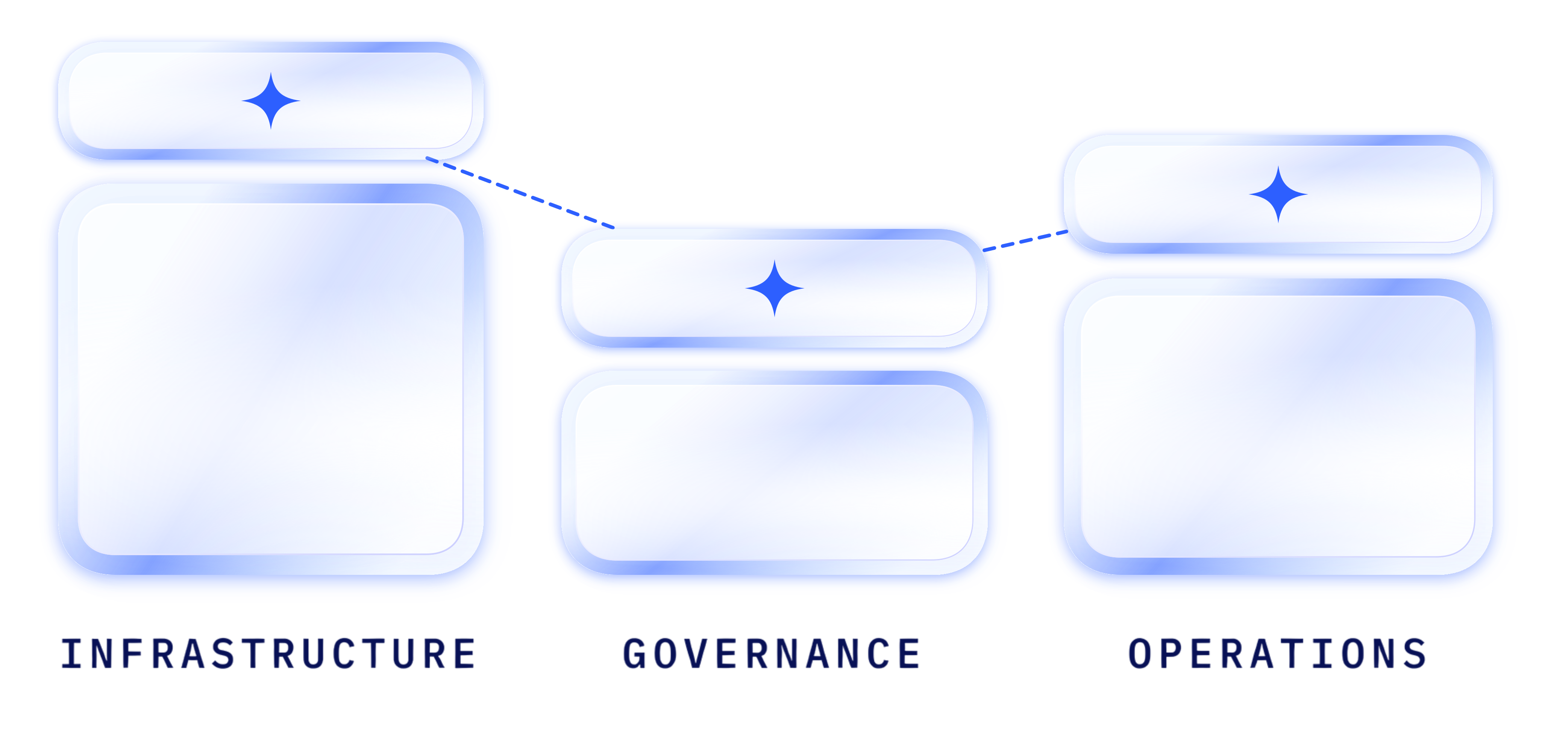
Adapt delivery to enterprise realities
We work with organizations to evolve development practices, team structures, and deployment approaches around their existing infrastructure, governance requirements, and operational constraints.


QUOTE FROM OUR EXPERTS
A Word from
our team
“Adopting AI-native SDLC doesn't mean changing every stage of development at once. It means understanding where the real bottlenecks are, prioritizing the changes that will have the greatest impact, and evolving the way teams work around them.”
our impact
AI-native SDLC in action
Explore how we have delivered measurable impact by identifying the right AI opportunities.
WHY MARVIK FOR AI NATIVE SDLC
From faster development to software that works in the business
We combine hands-on AI engineering experience, a deep understanding of business operations, and practical tools to help enterprises adopt AI-native development in ways that fit their reality.

Forward-deployed by design
Our engineers work embedded within your organization, connecting business processes with technical decisions and identifying where AI-native practices can deliver the greatest value.

Built for business impact
We bring years of AI engineering and software development experience to complex enterprise environments, helping teams adopt AI-native practices while accounting for the technical and operational realities of their business.

Practical tools, tailored to your environment
We work with organizations to evolve development practices, team structures, and deployment approaches around their existing infrastructure, governance requirements, and operational constraints.